
The Budget proposals are expected to boost the fortunes of consumer goods and fast-moving consumer goods companies, which have been struggling with poor consumer demand for more than a year. The Budget announcements, such as the increase in standard deduction by Rs 25,000 for income-tax payers and slab revisions, will put more money in their hands, boosting consumer demand. Private consumption is also likely to benefit from a new scheme to offer internships to 10 million youths in the country's top 500 companies.

Among Sensex stocks, Wipro gained the most by 3.29 per cent. Ultratech Cement, Reliance Industries, Hindustan Unilever, Nestle, NTPC, M&M, HDFC Bank, ITC, Kotak Bank and Axis Bank were among the winners. On the other hand, HCL Tech fell the most by 1.24 per cent. SBI, TCS, Infosys, IndusInd Bank and Tata Steel also dropped.

From the 30 Sensex companies, Zomato, Tata Motors, IndusInd Bank, Asian Paints, Bajaj Finance, Maruti Suzuki India, Adani Ports, Hindustan Unilever, Reliance Industries, Bajaj Finserv, UltraTech Cement and Infosys were among the laggards. In contrast, State Bank of India, ICICI Bank, Tata Steel, NTPC, Tata Consultancy Services, PowerGrid, Kotak Mahindra Bank and Sun Pharmaceuticals were the gainers.

Among the Sensex firms, ITC, NTPC, Axis Bank, Larsen & Toubro, Bajaj Finance, Asian Paints and Tata Steel were the major gainers. Mahindra & Mahindra, Wipro, Maruti, IndusInd Bank, Kotak Mahindra Bank and HDFC Bank were among the laggards.

From the Sensex pack, UltraTech Cement, Mahindra & Mahindra, Sun Pharmaceutical, Zomato, Tech Mahindra, Tata Steel, Tata Motors, Titan, ITC and Bajaj Finance were the major gainers. In contrast, Kotak Mahindra Bank, HCL Technologies, PowerGrid, Reliance Industries, State Bank of India, Hindustan Unilever, IndusInd Bank, Nestle India and Axis Bank were among the laggards.

Among the Sensex firms, Power Grid, IndusInd Bank, Maruti, Wipro, Tata Steel, JSW Steel, Asian Paints, Mahindra & Mahindra, Reliance Industries and UltraTech Cement were the biggest laggards. Hindustan Unilever, Infosys and Tata Consultancy Services and Bharti Airtel were the gainers.

Among the Sensex firms, Tata Consultancy Services, Larsen & Toubro, Infosys, UltraTech Cement, ICICI Bank, Nestle, ITC and Sun Pharma were the major gainers. Power Grid, NTPC, Tata Motors, Tata Steel, Mahindra & Mahindra and Reliance Industries were among the laggards.

Tech Mahindra was the biggest loser in the Sensex pack, slipping 4.59 per cent, followed by Asian Paints, Wipro, Kotak Mahindra Bank, Bajaj Finserv, Infosys, ITC, Mahindra & Mahindra, Hindustan Unilever, IndusInd Bank, Reliance Industries and JSW Steel. In contrast, Larsen & Toubro, Bharti Airtel, Power Grid and Axis Bank were among the gainers.

Among the 30 Sensex companies, Larsen & Toubro, Power Grid, NTPC, State Bank of India, Reliance Industries and HDFC Bank were the biggest laggards. Sun Pharma and Nestle were the only gainers.
From the Sensex pack, Bajaj Finserv, Mahindra & Mahindra, Axis Bank, Bajaj Finance, Adani Ports, ICICI Bank, Zomato and UltraTech Cement were among the biggest gainers. However, ITC, Nestle, State Bank of India, Reliance Industries, Asian Paints and Tata Consultancy Services were among the laggards.

Mahindra & Mahindra, Bharti Airtel, Tata Consultancy Services, Infosys, ICICI Bank, and ITC were the biggest laggards. Foreign portfolio investors (FPIs) offloaded equities worth Rs 4,294.69 crore on Friday, according to exchange data.

From the Sensex pack, Zomato jumped over 7 per cent. ICICI Bank, Mahindra & Mahindra, Tata Motors, Larsen & Toubro, Asian Paints, Titan, Kotak Mahindra Bank and State Bank of India were among the gainers. However, Bajaj Finserv, Bharti Airtel, Tech Mahindra and Reliance Industries were the laggards.

Among the Sensex firms, Nestle rose the most by 4.66 per cent. NTPC rose by 2.16 per cent, Reliance Industries by 1.53 per cent, State Bank of India by 1.04 per cent and Hindustan Unilever by 1.03 per cent. ITC, Power Grid and Bajaj Finance were the major gainers. Wipro, Tata Consultancy Services, HCL Technologies, Tata Steel, Bajaj Finserv and Maruti were among the laggards.

Equity benchmark Sensex and Nifty ended marginally down on Tuesday tracking losses in metal, banking and financial stocks. Investors also remained concerned over persistent foreign fund outflows, traders said. Falling for the fifth consecutive session, the 30-share BSE index ended 37.70 points or 0.07 per cent lower at 57,107.52. Similarly, the NSE Nifty shed 8.90 points or 0.05 per cent to close at 17,007.40.

Among Sensex scrips, Bharti Airtel, Titan, NTPC, State Bank of India, ITC, Tata Steel, Mahindra & Mahindra and Tata Motors were the major laggards. Adani Ports, Infosys, Axis Bank, HCL Technologies, Tech Mahindra and IndusInd Bank were among the gainers.
Shares of ICICI Bank may outperform those of HDFC Bank in the near-term, analysts said recently, after the Sandeep Bakhshi-led private sector lender reported a strong set of numbers for the July to September quarter (Q2) of financial year 2023-24 (FY24). The result, they said, reiterated that ICICI Bank is maintaining a sustainable and prudent growth led by tech-driven initiatives as against HDFC Bank, which is facing merger related challenges. According to analysts at Prabhudas Lilladher, ICICI Bank is valued at par with HDFC Bank at 2.2x/1.9x on FY25/26E core adjusted book value (ABV) basis.
From the Sensex firms, Bajaj Finance, Bajaj Finserv, Infosys, Bharti Airtel, Kotak Mahindra Bank, Larsen & Toubro, Mahindra & Mahindra, ITC, Tech Mahindra, Tata Steel, Tata Motors, Titan, Reliance Industries and Nestle were the major winners. Hindustan Unilever, Power Grid, Axis Bank, Tata Consultancy Services, State Bank of India, Asian Paints and Wipro were the laggards.

Among the Sensex firms, Wipro jumped over 6 per cent after the IT company's December quarter earnings beat estimates. The other prominent gainers were HCL Technologies, HDFC Bank, Infosys, Tech Mahindra, Bharti Airtel and Reliance Industries.

Equity benchmark indices Sensex and Nifty rebounded sharply on Monday after five days of steep decline amid value buying at lower levels and a rally in global markets. Besides, hectic buying in blue-chip stocks ITC, HDFC Bank and Reliance Industries also helped in market recovery.
From the 30-share blue-chip pack, Tata Steel, NTPC, Kotak Mahindra Bank, IndusInd Bank, Power Grid, Zomato, Adani Ports, Asian Paints, Mahindra & Mahindra and Reliance Industries were among the biggest laggards. Titan and Sun Pharma were the only gainers.

Among the Sensex firms, ITC, Kotak Mahindra Bank, ICICI Bank, Nestle, Axis Bank, IndusInd Bank, UltraTech Cement, Bajaj Finance, Maruti and HDFC Bank were the major laggards.

The combined market valuation of the top-ten most valued firms jumped by a whopping Rs 3,84,004.73 crore in the holiday-shortened last week, in-tandem with a smart rally in equities, with HDFC Bank and Bharti Airtel emerging as the biggest gainers. Last week, the BSE benchmark Sensex jumped 3,395.94 points or 4.51 per cent, and the NSE Nifty surged 1,023.1 points or 4.48 per cent.
Changes have been made in several indices including Nifty 500, Nifty 200, Nifty 100, Nifty Midcap 150, Nifty Smallcap 250 and host of sectoral indices including FMCG, IT, media, pharma, commodities and services sector.

Among the main gainers were Jio Financial Services which jumped 4.99 per cent, Tata Steel (2.09 per cent), Maruti Suzuki (1.87 per cent), M&M (1.31 per cent) and Infosys (1.19 per cent).

NTPC, Power Grid, Kotak Mahindra Bank, Maruti, Tech Mahindra, Larsen & Toubro, Reliance Industries and Adani Ports were the other big gainers. Mahindra & Mahindra, Bajaj Finserv, Bajaj Finance, Axis Bank and Tata Motors were among the laggards.

From the Sensex pack, Zomato jumped nearly 5 per cent, followed by Titan which climbed almost 4 per cent. IndusInd Bank, Maruti, Tech Mahindra, Adani Ports, Bharti Airtel and HDFC Bank were also among the gainers.
State Bank of India, Tech Mahindra, Larsen & Toubro, Tata Steel, Sun Pharma, Infosys, HCL Tech, Axis Bank, Tata Consultancy Services and NTPC were among the biggest laggards among Sensex shares. Nestle, Hindustan Unilever, Titan, Power Grid, UltraTech Cement and ITC were among the gainers.
From the Sensex pack, Asian Paints, NTPC, Reliance Industries, Tata Steel, Bajaj Finserv, Hindustan Unilever, Sun Pharmaceuticals, Adani Ports & SEZ, Axis Bank, Tata Consultancy Services, Titan and Bajaj Finance were the major gainers. Tech Mahindra, Kotak Mahindra Bank, Zomato, Tata Motors, and IndusInd Bank were the laggards.

'We suggest an equity strategy of 5% to 10% exposure to cash, 5% to Gold ETF, close to 50% to Sensex/Nifty/large mid-cap stocks.'

Titan, Nestle, Hindustan Unilever, State Bank of India, Larsen & Toubro, ITC, Zomato and Bajaj Finserv were also among the laggards. Adani Ports, IndusInd Bank, Tata Motors and HDFC Bank were among the major gainers.

Gift Nifty will provide Indian investors cues on how domestic markets could react to global events.
Mahindra & Mahindra, Bharti Airtel, Infosys, Tata Motors, Titan, Tata Consultancy Services, Nestle and Maruti were also among the major laggards. HDFC Bank emerged as the only gainer from the pack.
Among the Sensex firms, Tech Mahindra, Tata Motors, Infosys, Wipro, Tata Steel, Tata Consultancy Services, Reliance Industries and Axis Bank were the major gainers. Bajaj Finance, IndusInd Bank and Power Grid were the laggards.

From the 30 blue-chip pack, Tech Mahindra, Zomato, Tata Consultancy Services, Infosys, ICICI Bank, Bajaj Finance, Hindustan Unilever and HCL Technologies were the major laggards on Tuesday. Kotak Mahindra Bank, ITC, UltraTech Cement and Tata Motors were among the gainers.
From the Sensex pack, Adani Ports, Tata Steel, Power Grid, Mahindra & Mahindra, NTPC, Tech Mahindra, Tata Motors, ITC, Nestle India, HCL Technologies, Bharti Airtel, State Bank of India, Asian Paints and Kotak Mahindra Bank were the gainers. Bajaj Finance, IndusInd Bank, HDFC Bank, and Zomato were the laggards.

10 largecaps stocks which stand to gain from the Budget.
From the Sensex pack, Larsen & Toubro jumped 4.26 per cent to emerge as the biggest gainer, followed by IndusInd Bank, Tech Mahindra, State Bank of India, HCL Technologies, Power Grid, NTPC, Axis Bank, Kotak Mahindra Bank, HDFC Bank and Wipro. Mahindra & Mahindra, Infosys, UltraTech Cement and Hindustan Unilever were the major laggards.
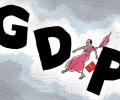
India's real GDP growth in FY26 will slide further to 6.2 per cent in FY26 from 6.5 per cent in FY25, a Japanese brokerage said on Monday. In a research report, Nomura said there is a "divergence" between the growth in GST collections and across other high-frequency growth indicators like auto sales and bank credit growth.
Among the Sensex stocks, Reliance Industries climbed the most by 3.11 per cent. Bajaj Finance, Titan, Axis Bank, ICICI Bank, Bajaj Finserv, IndusInd Bank, UltraTech Cement, Larsen & Toubro, HDFC Bank, HDFC and Kotak Mahindra Bank were among the other major winners. Power Grid, Hindustan Unilever, Tech Mahindra, Tata Consultancy Services, Infosys and Asian Paints were among the biggest laggards.

From the Sensex pack, Tata Consultancy Services and Infosys fell over 2 per cent each. Hindustan Unilever, Bharti Airtel, Sun Pharma, Power Grid, Bajaj Finserv, HCL Tech, Mahindra & Mahindra, and Tech Mahindra were also among the laggards. Among the gainers, Zomato jumped nearly 5 per cent. Larsen & Toubro, Axis Bank, ICICI Bank, IndusInd Bank and Kotak Mahindra Bank were also among the gainers.
